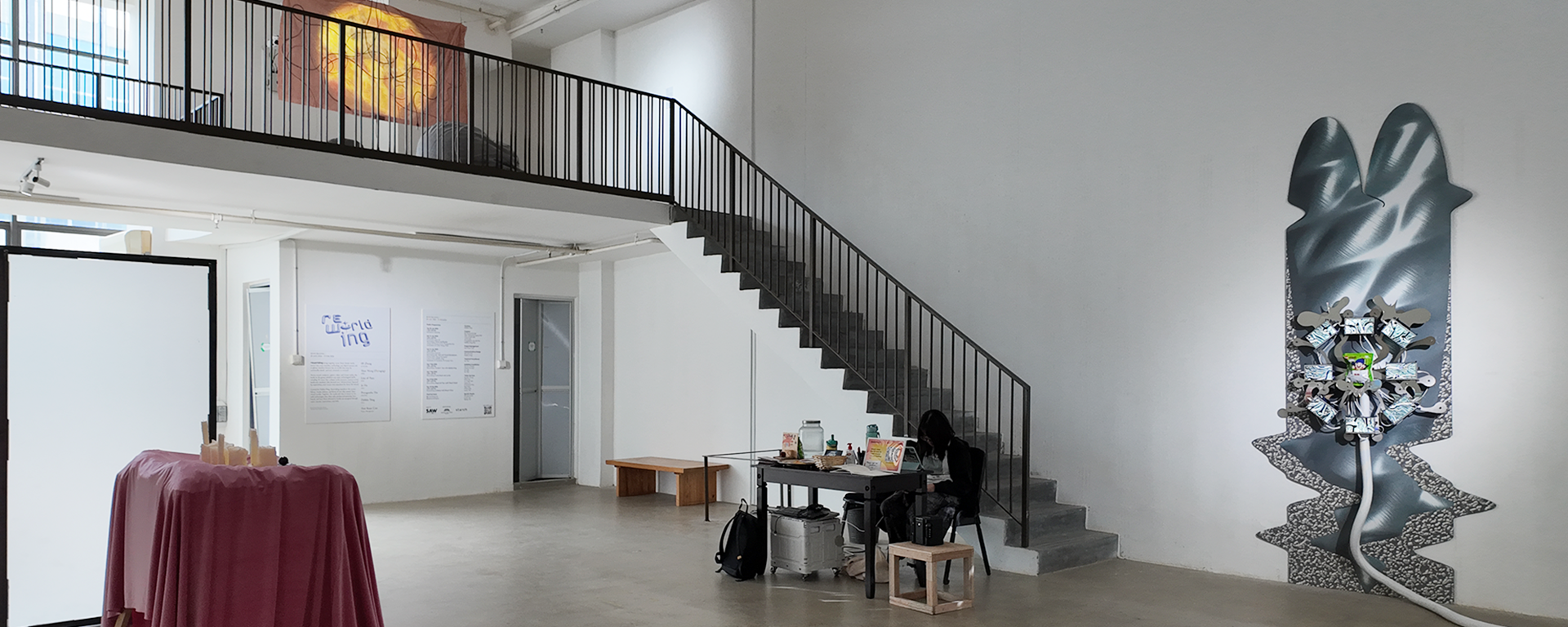
Reworlding
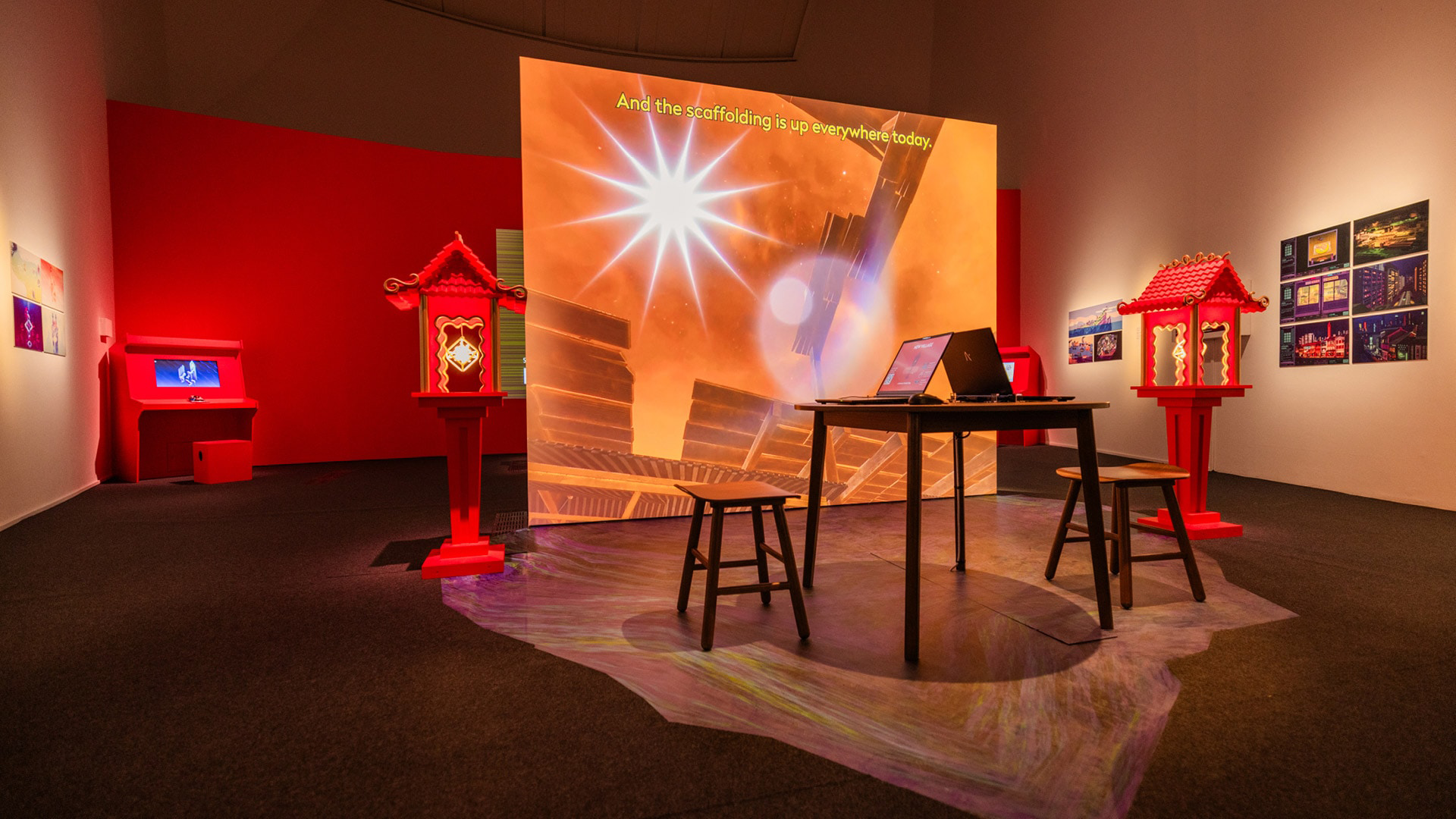
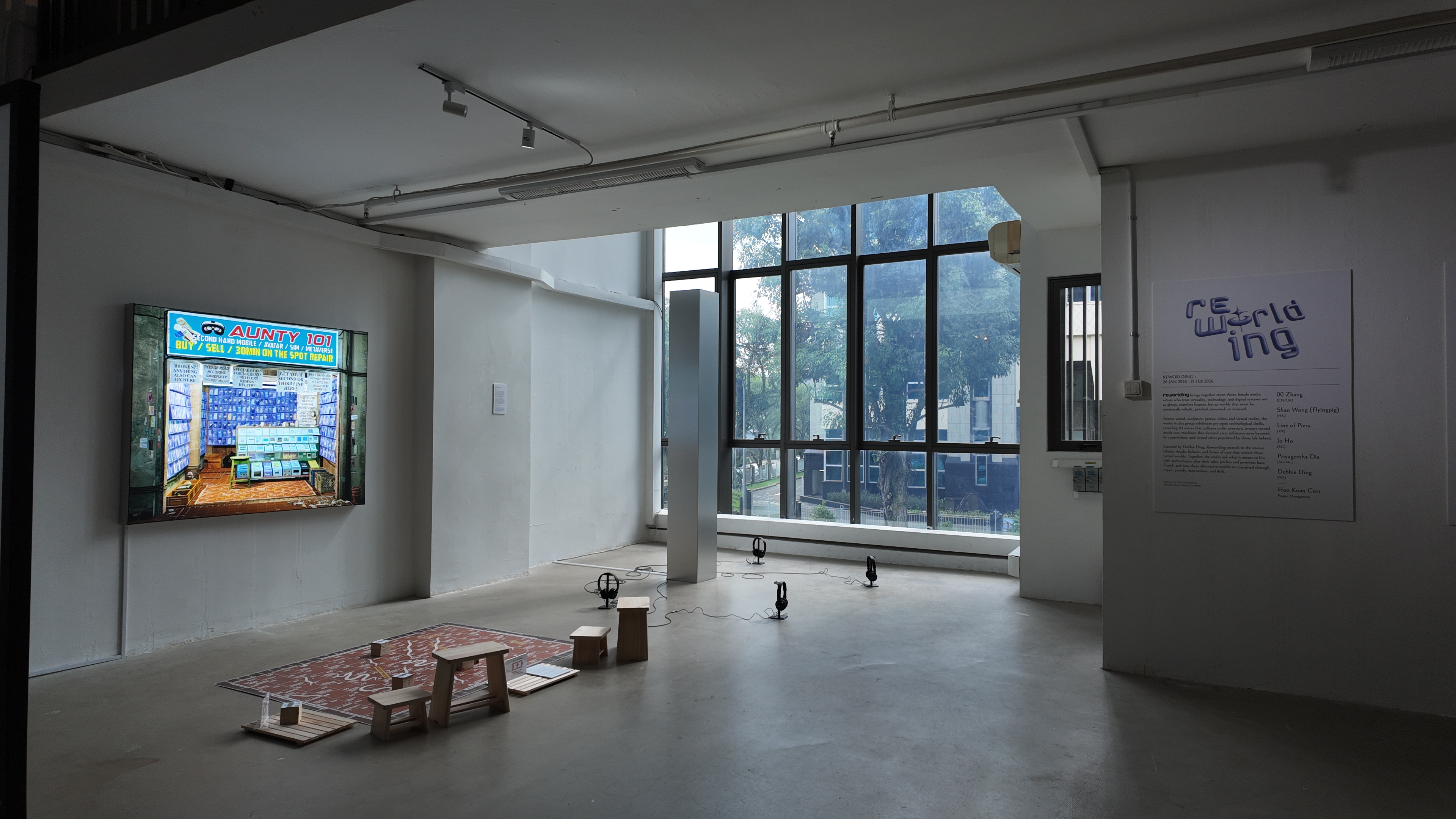
Reworlding brings together seven Asian female media artists who treat virtuality, technology, and digital systems not as glossy, seamless futures, but as worlds that must be continually rebuilt, patched, mourned, or misused.
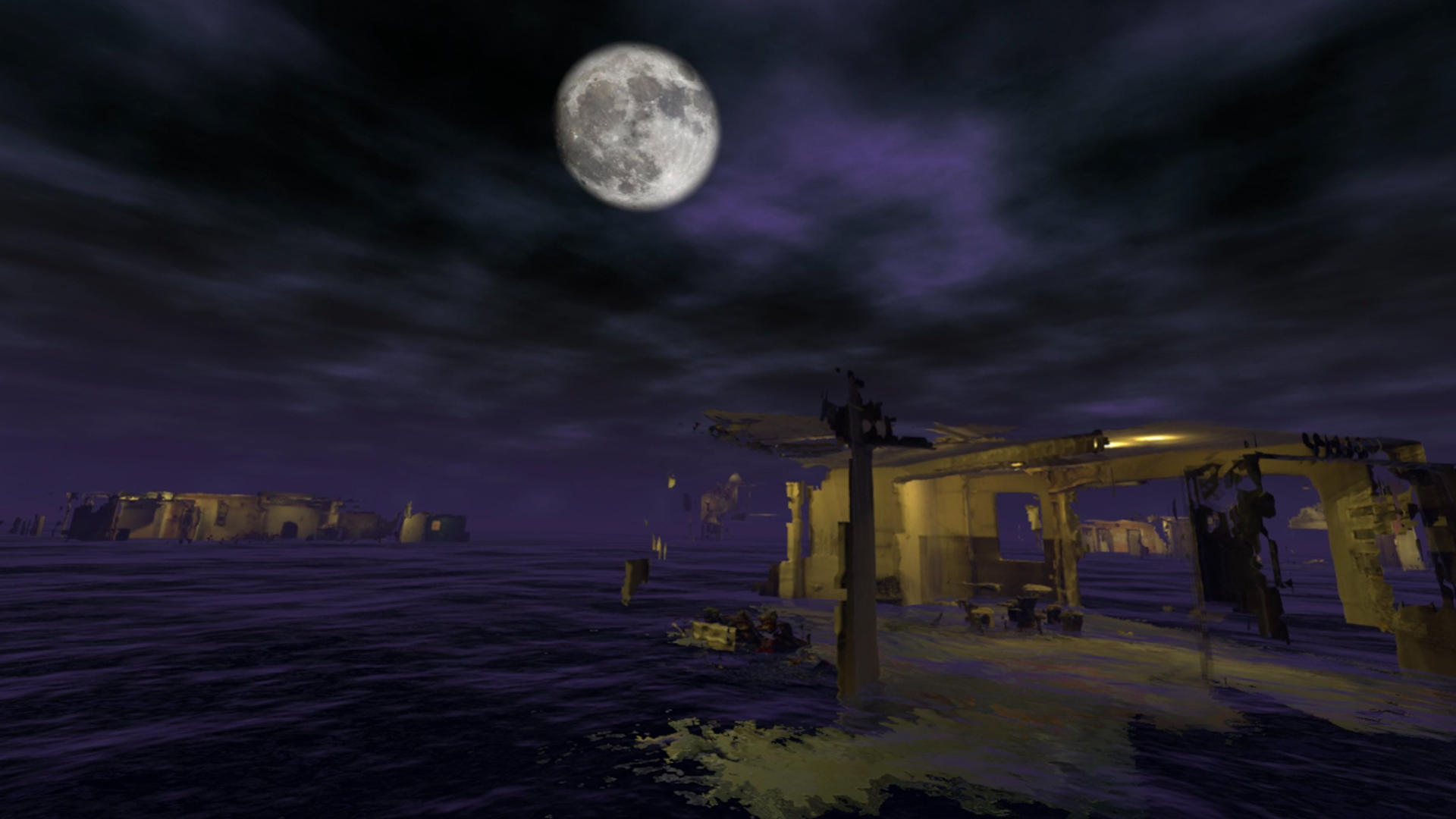
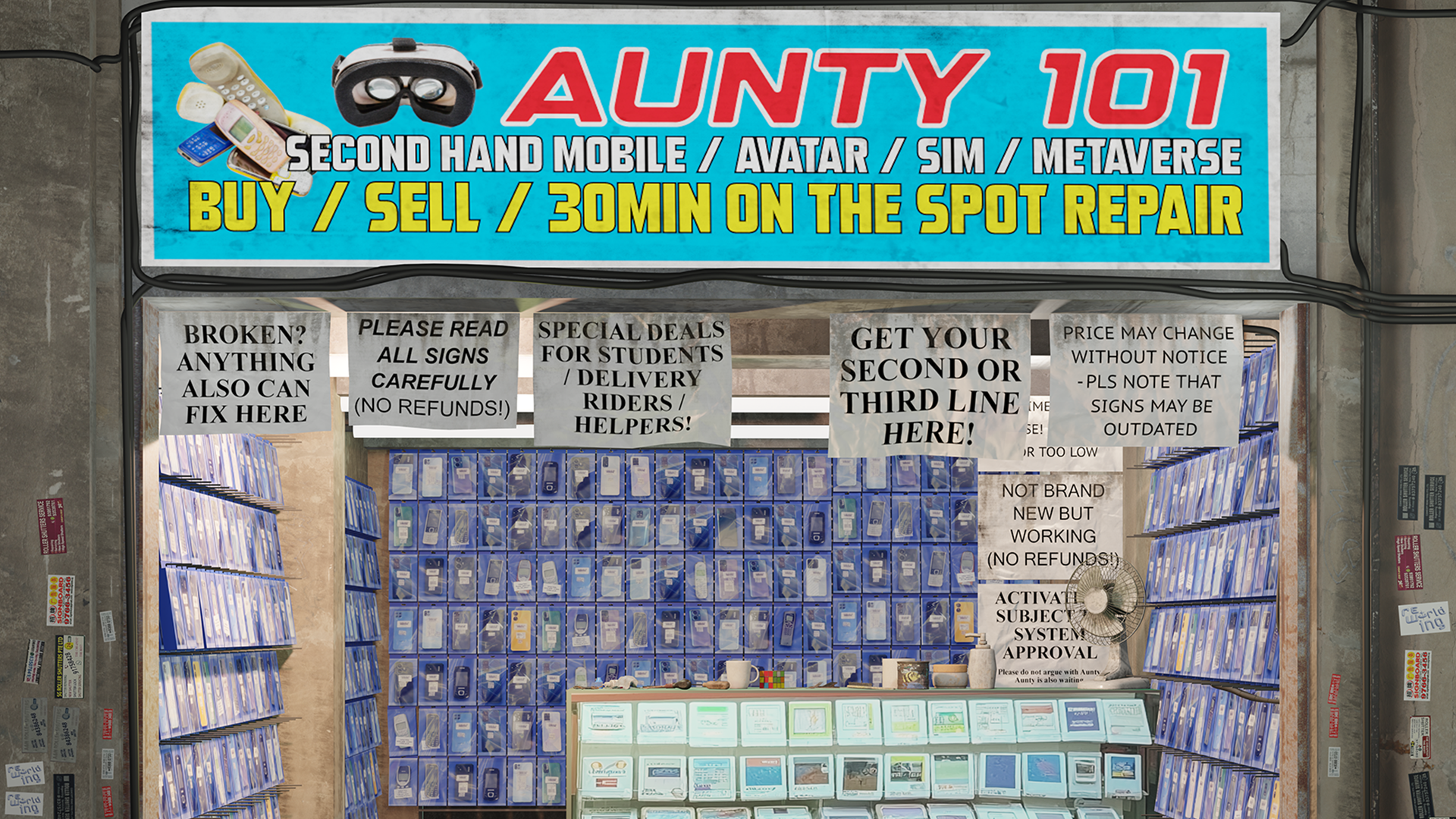
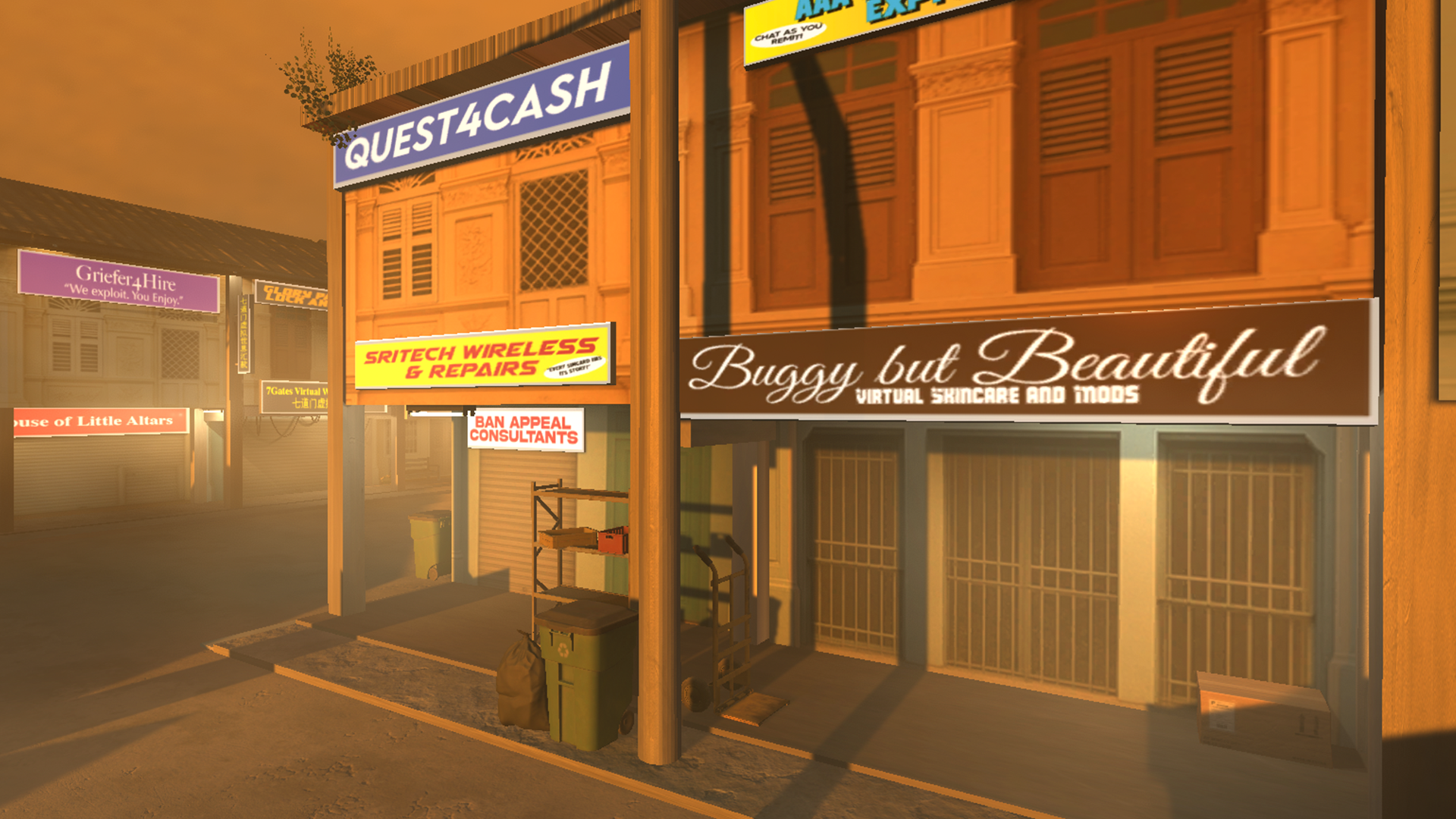
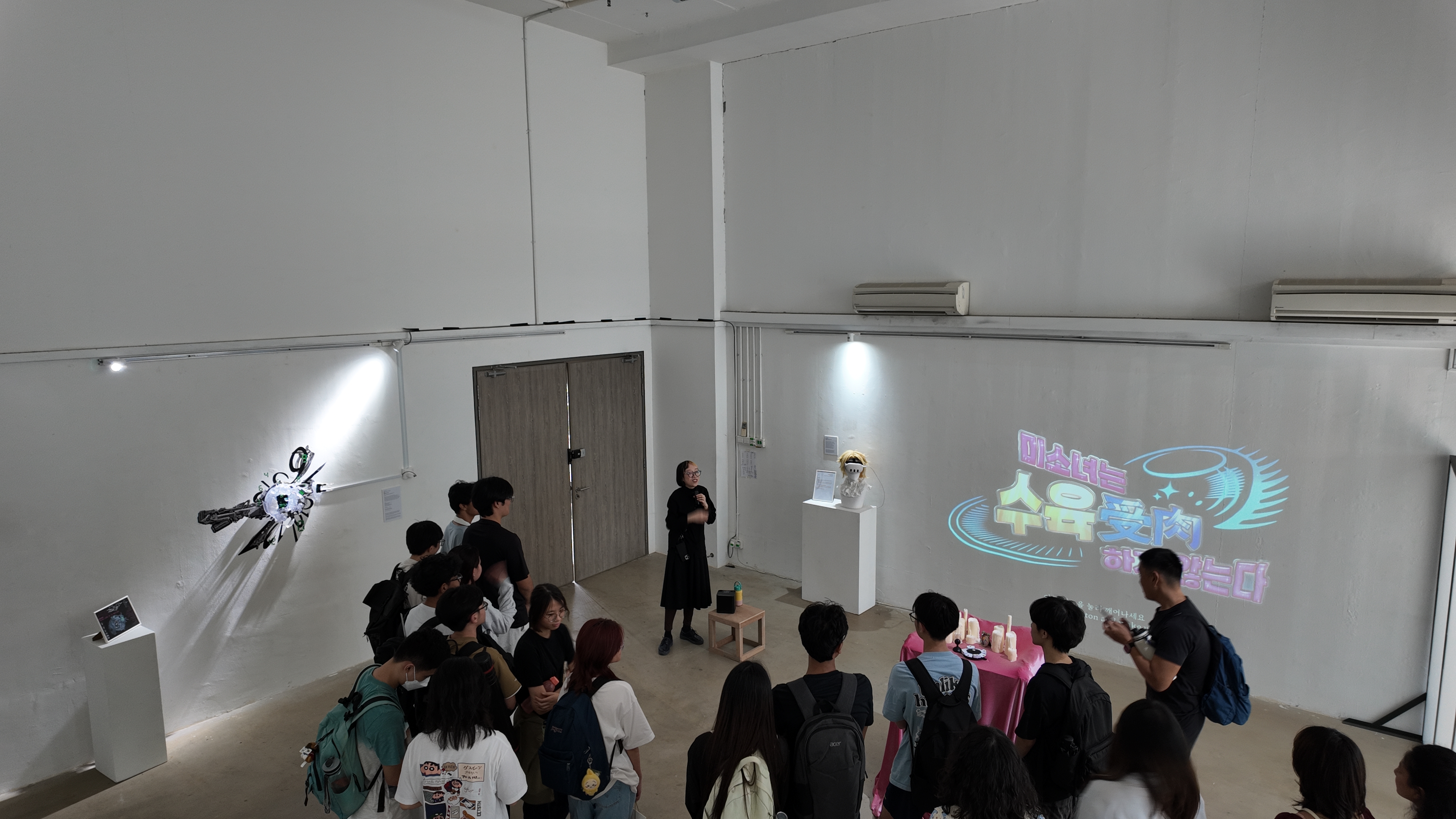
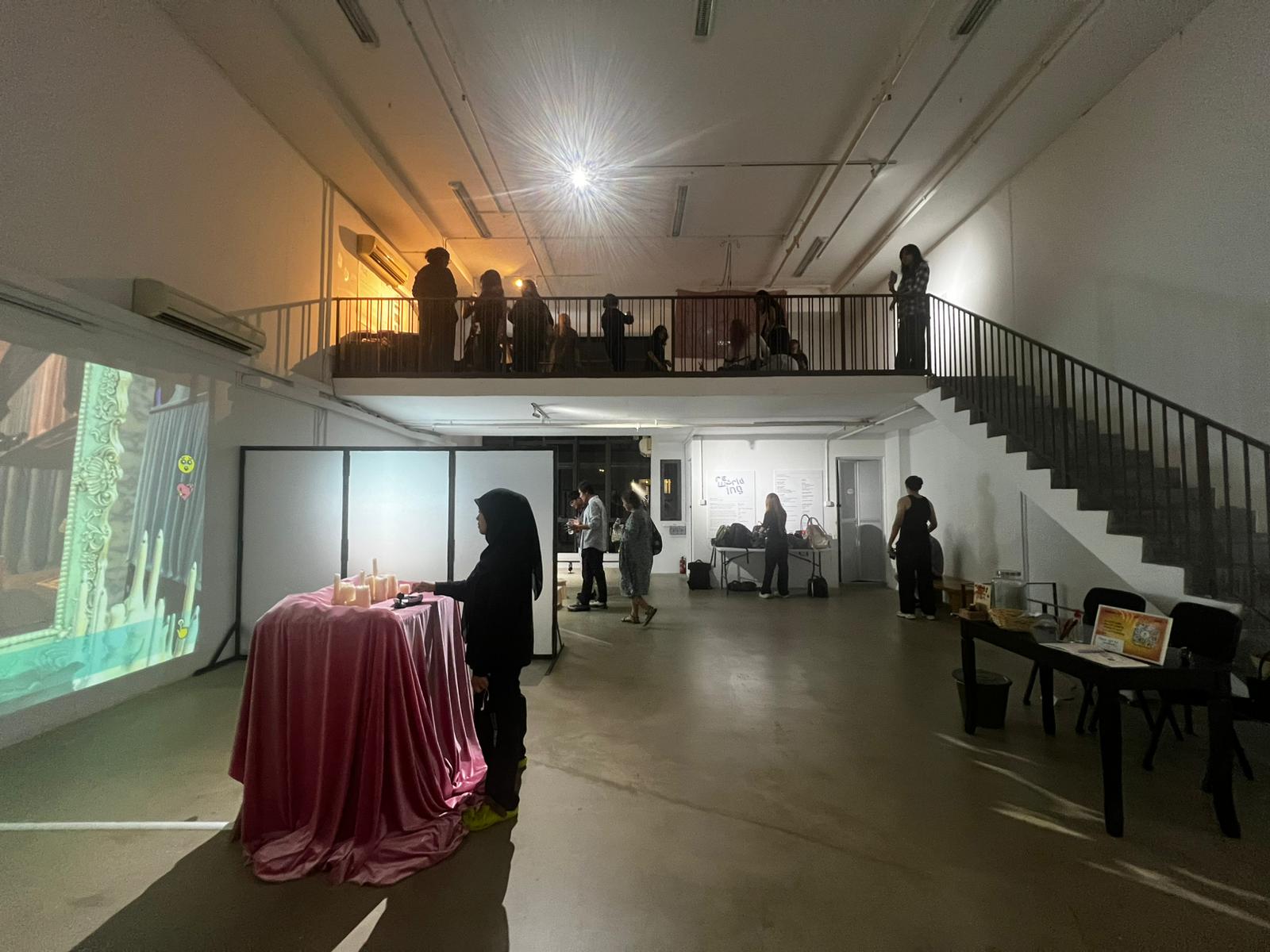
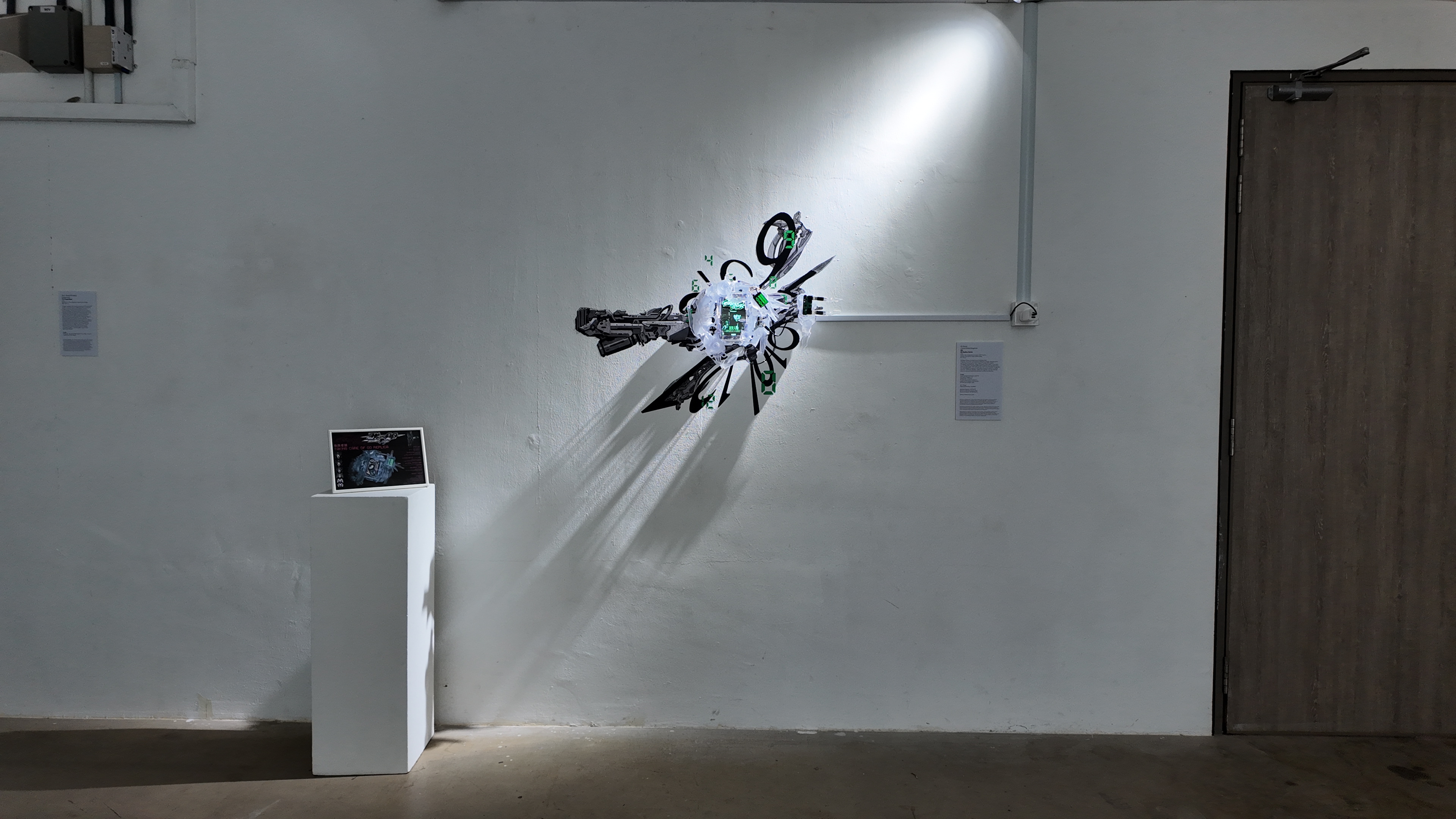
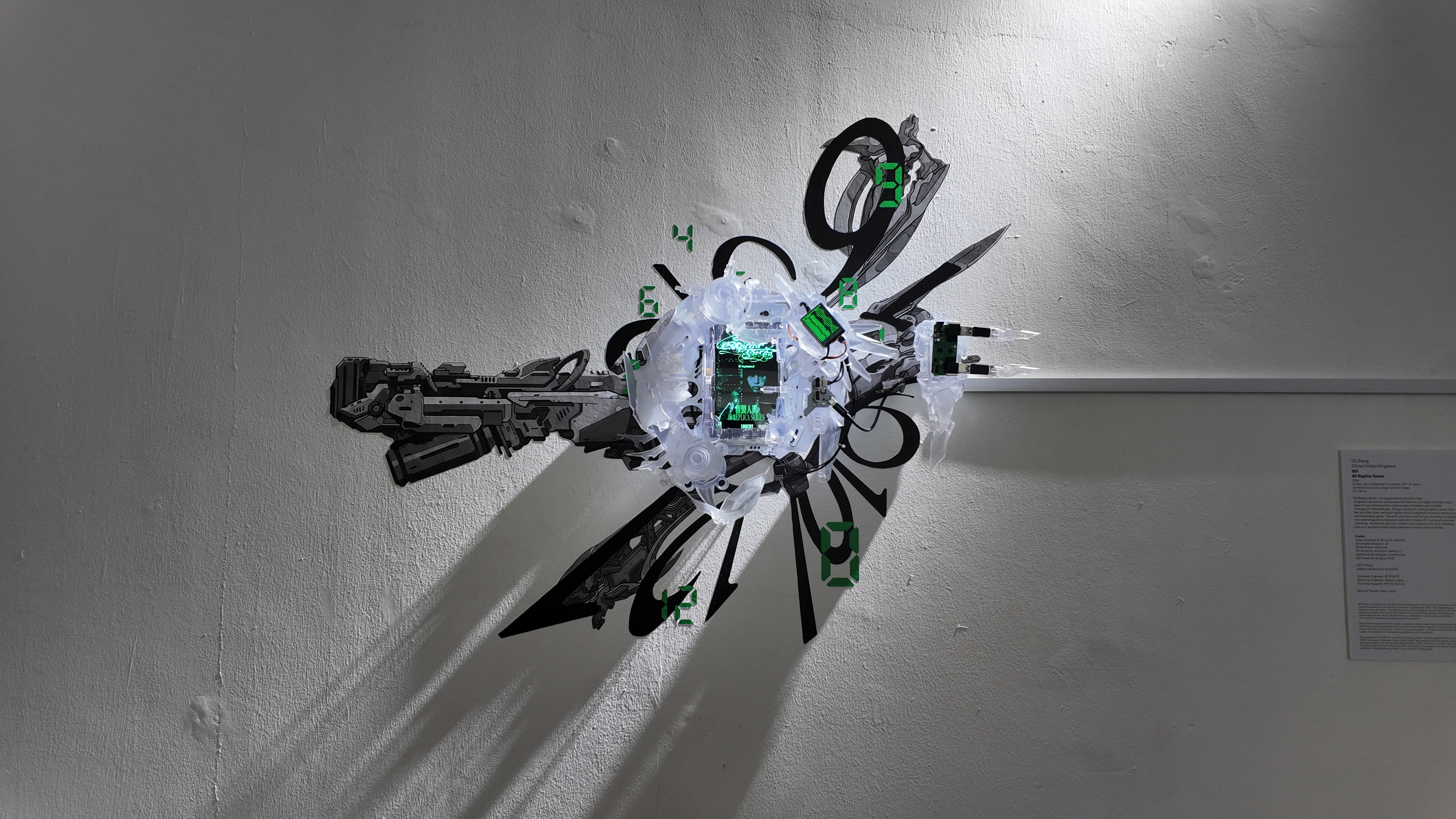
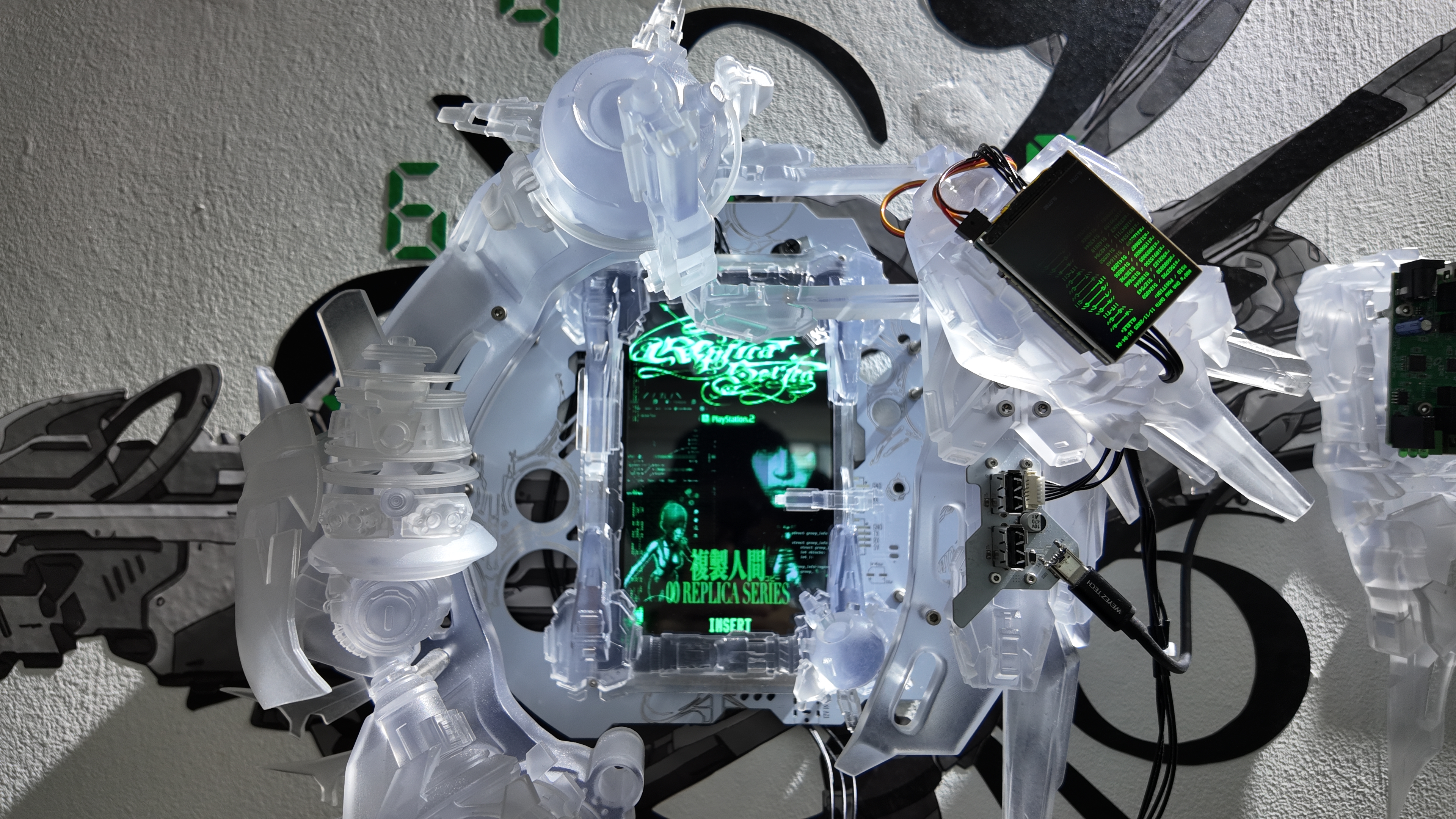
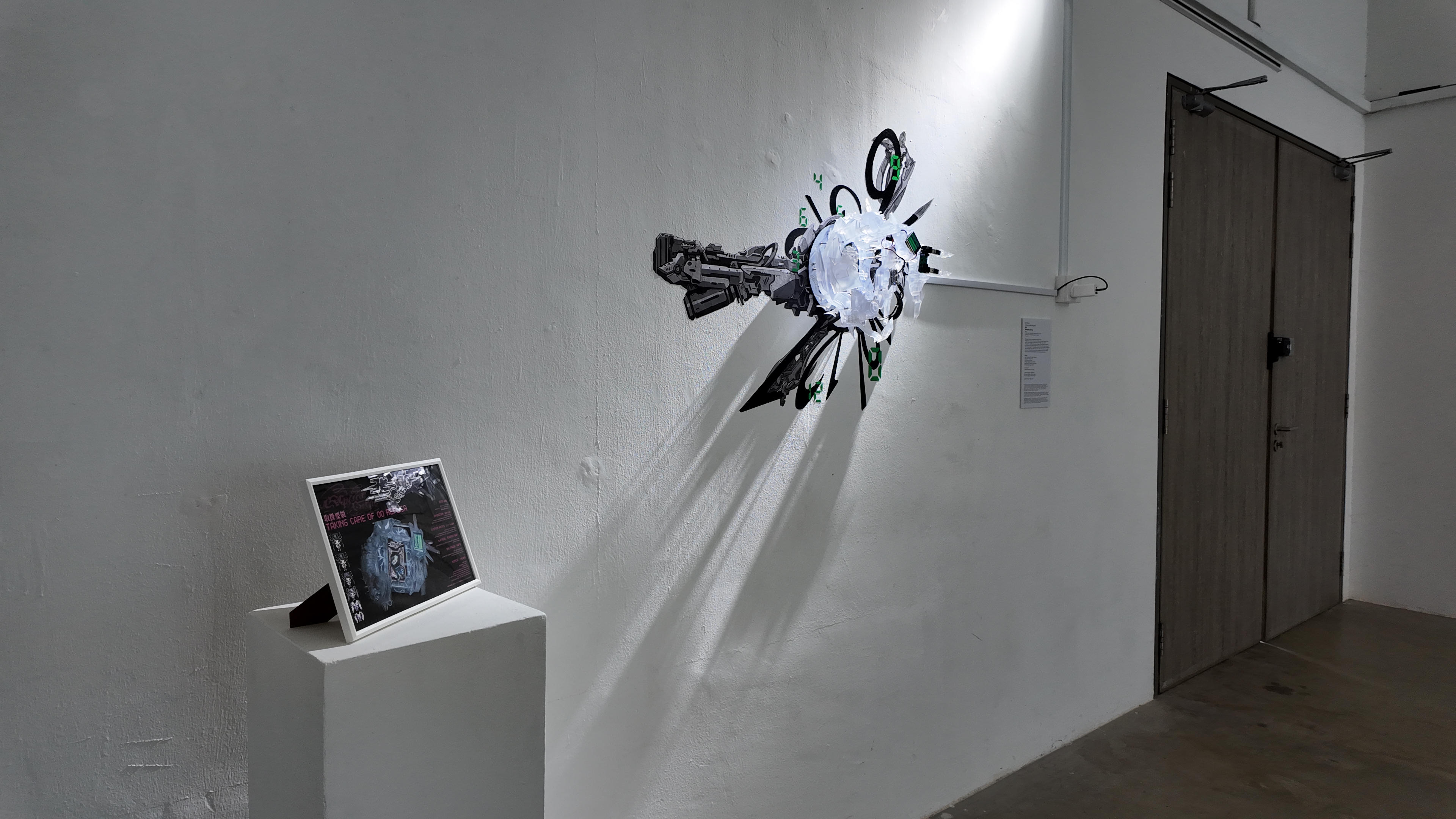
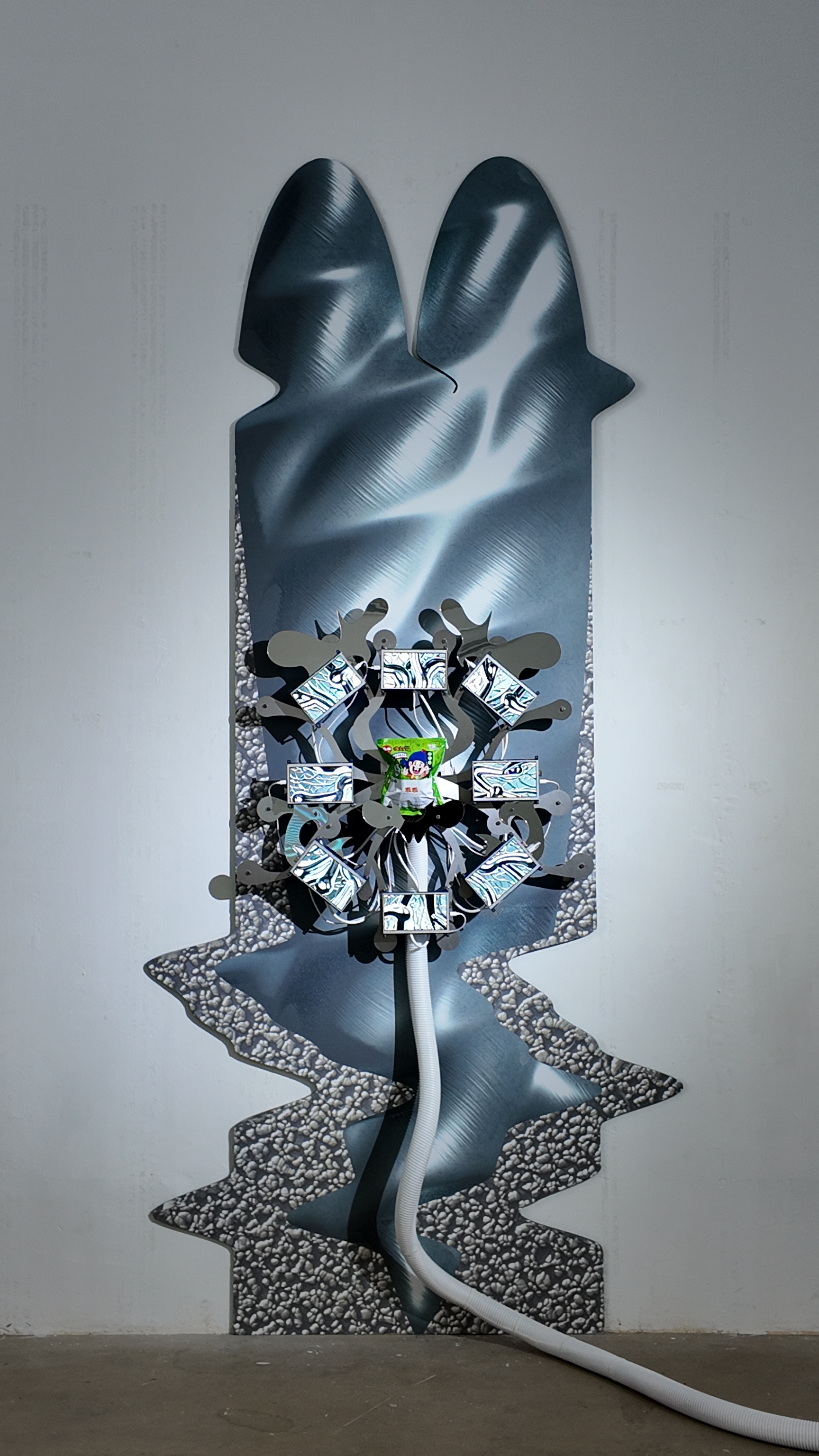
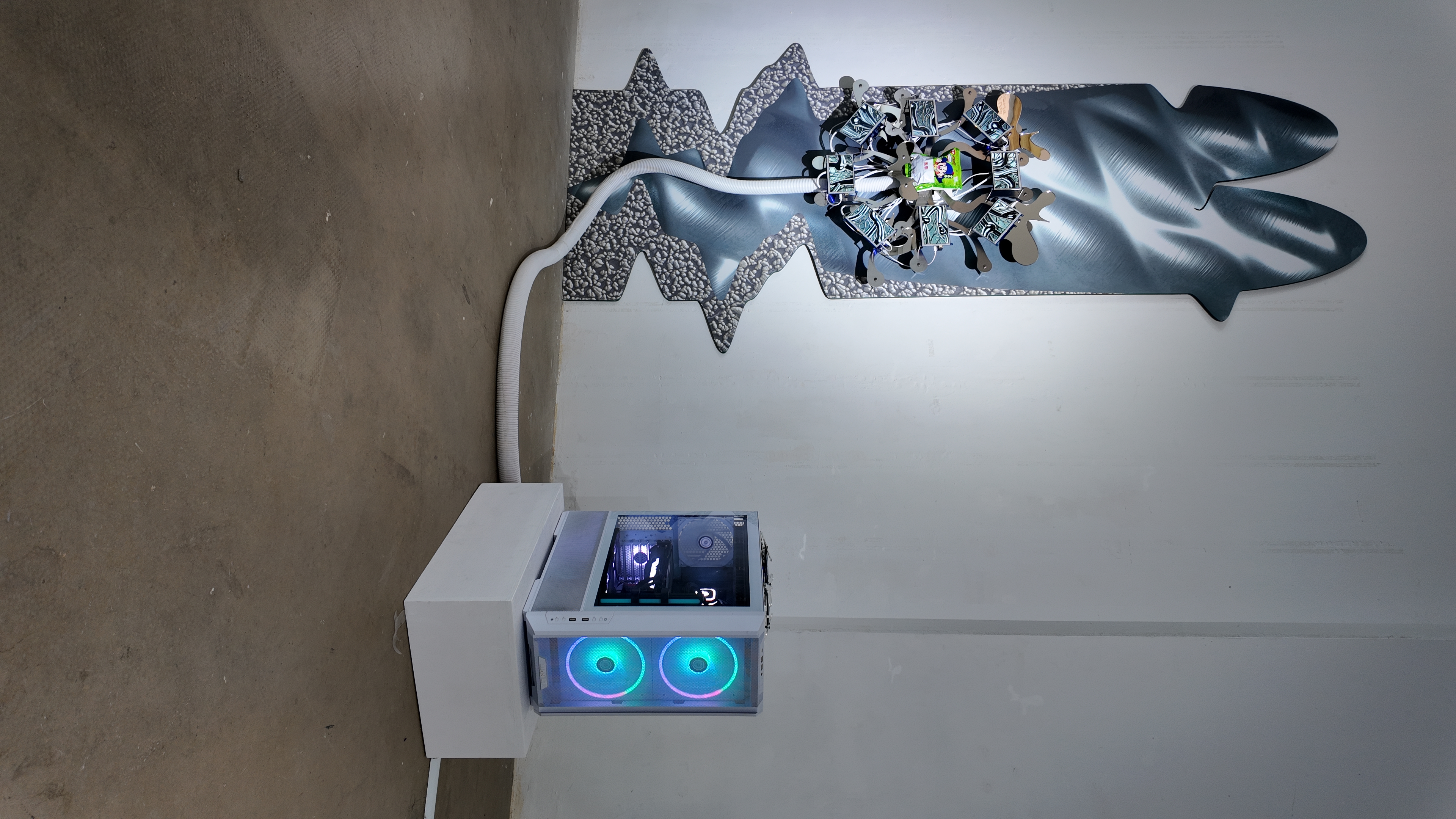
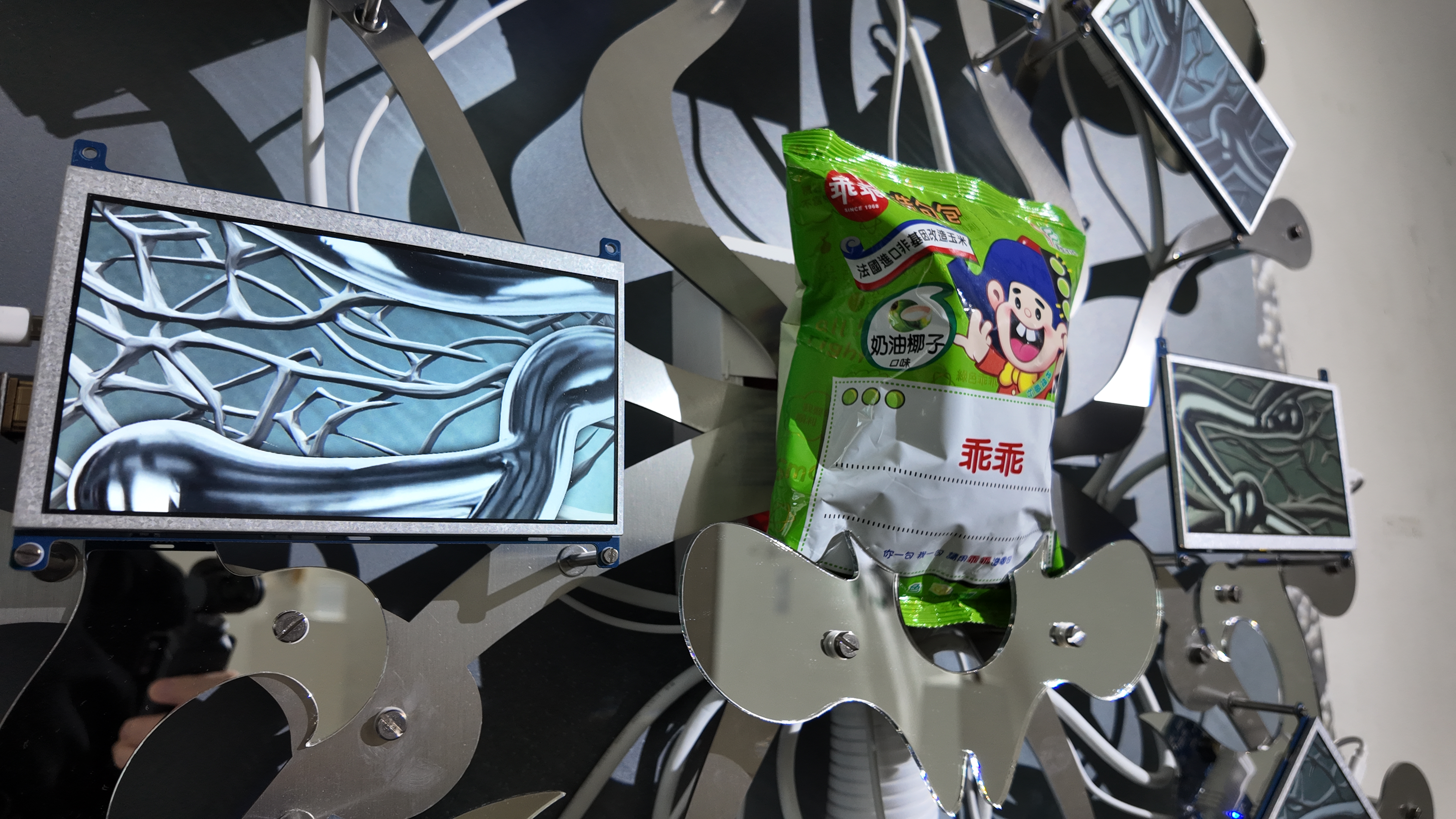
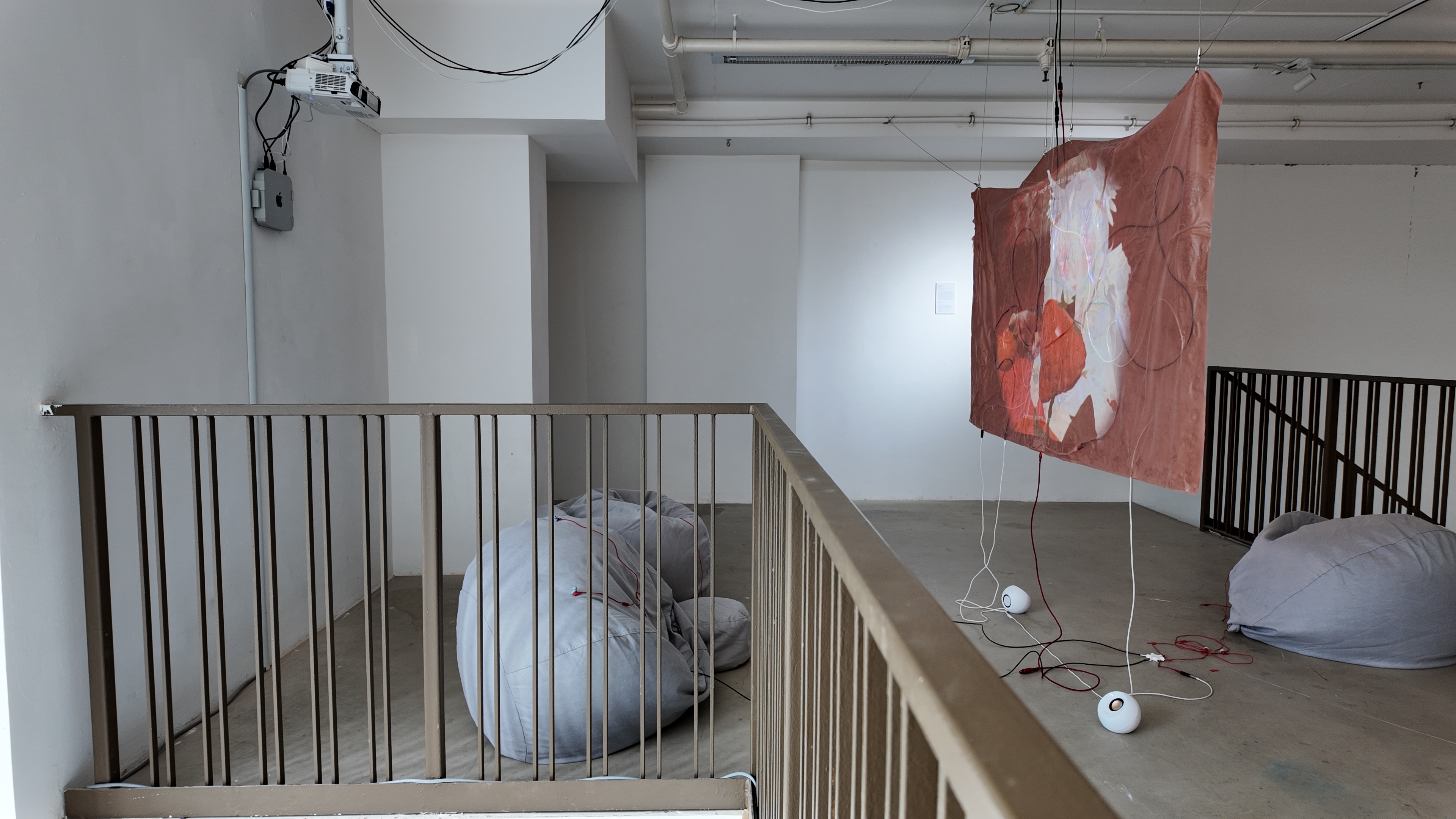
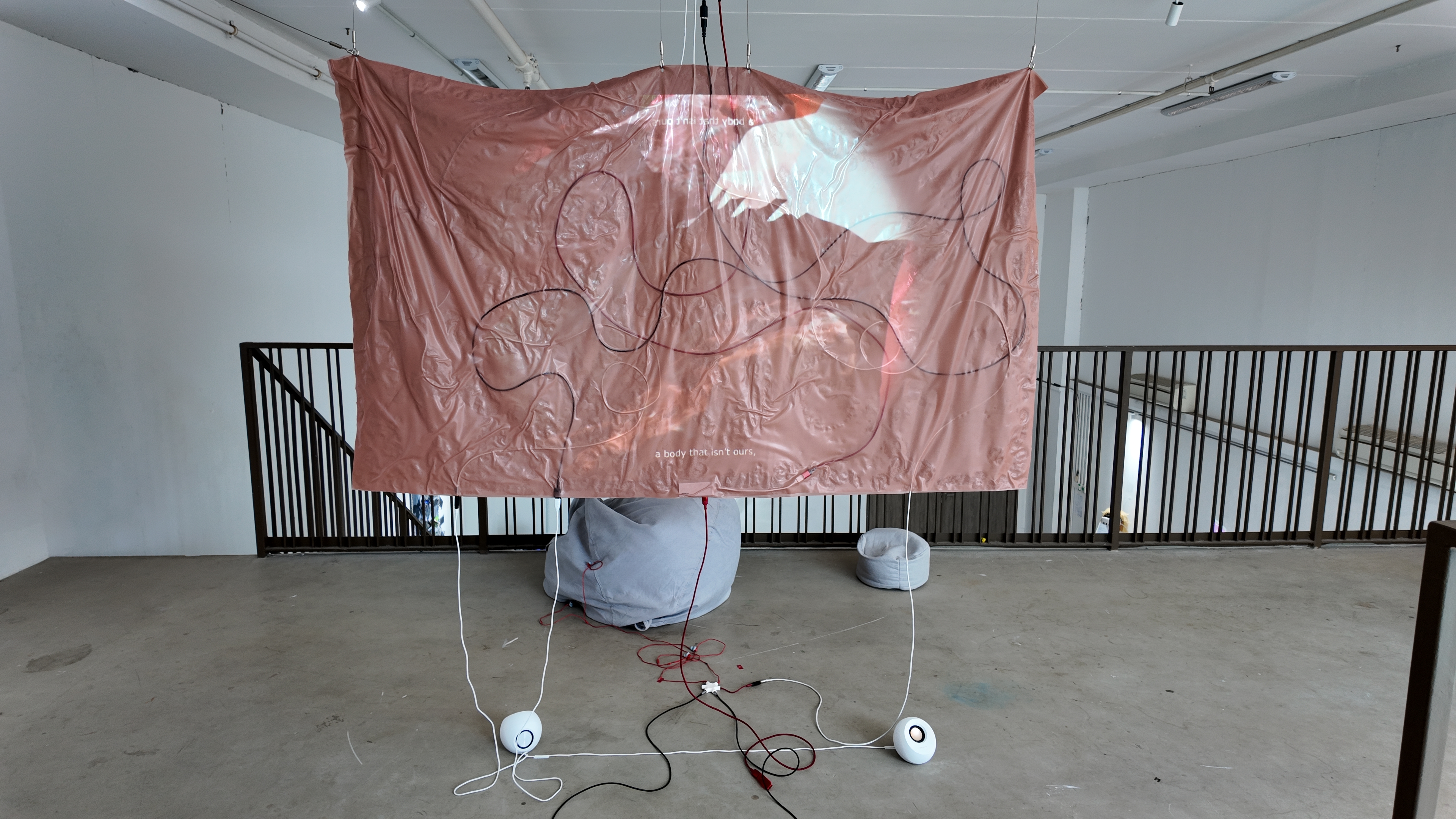
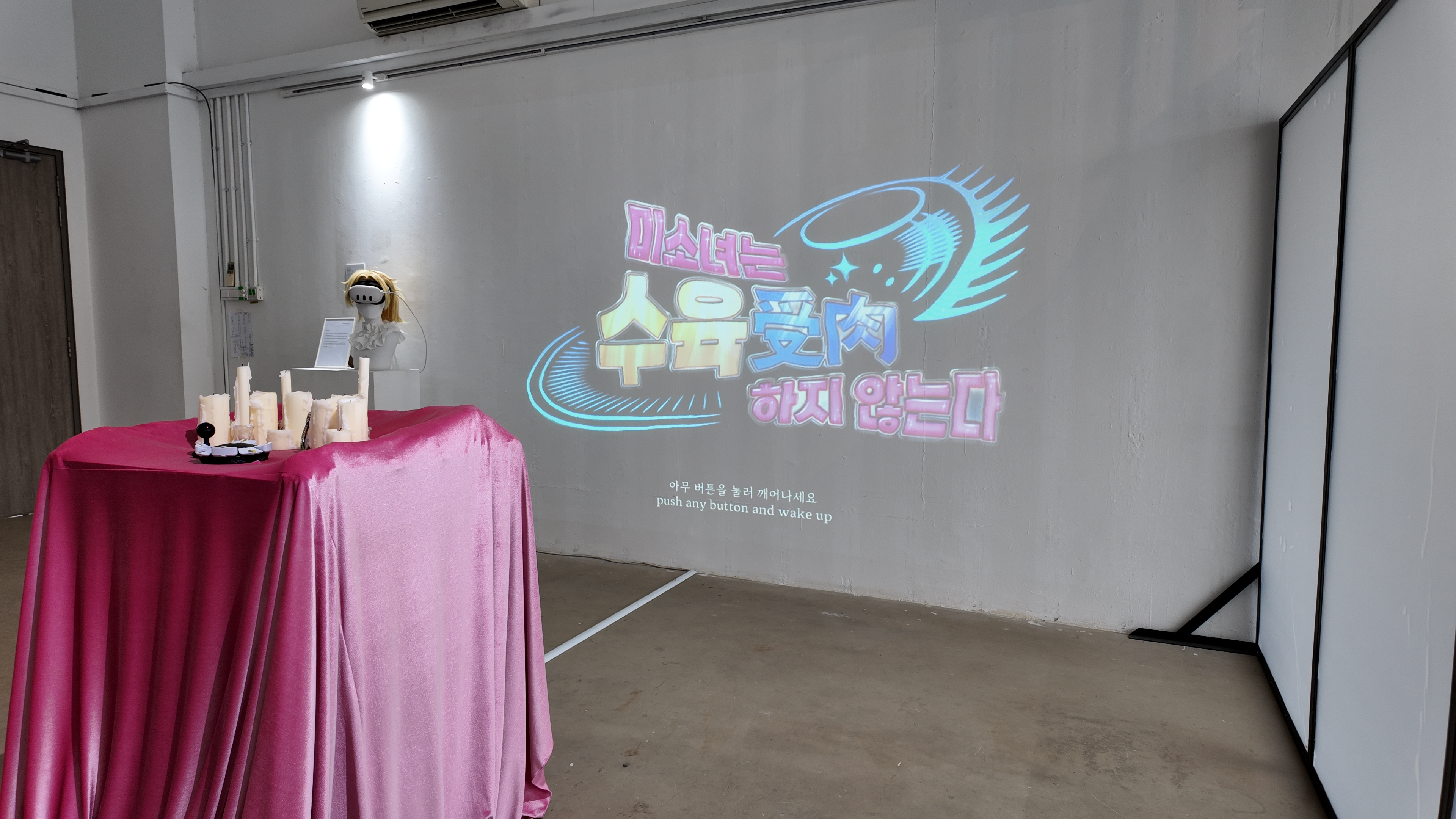
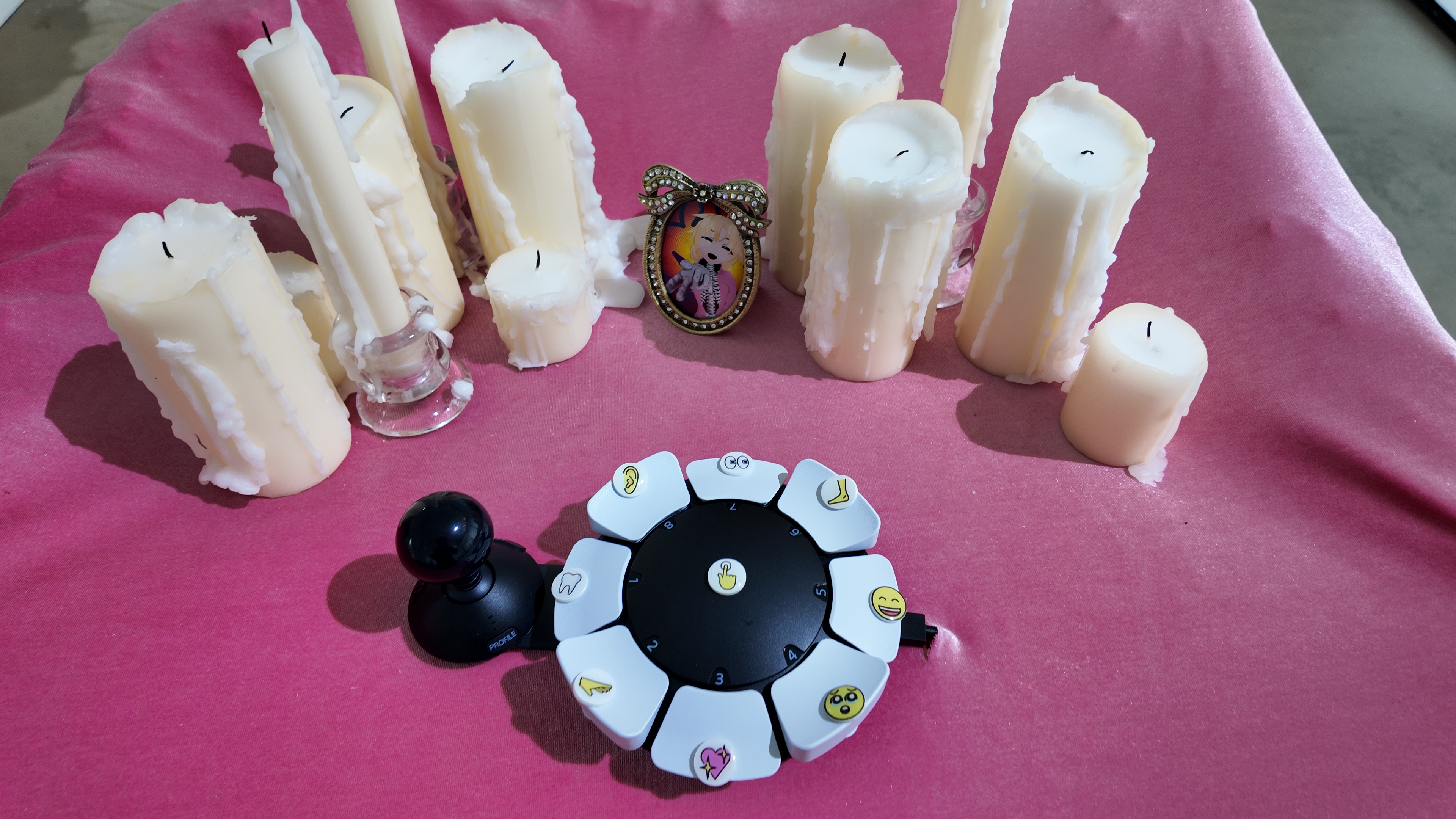
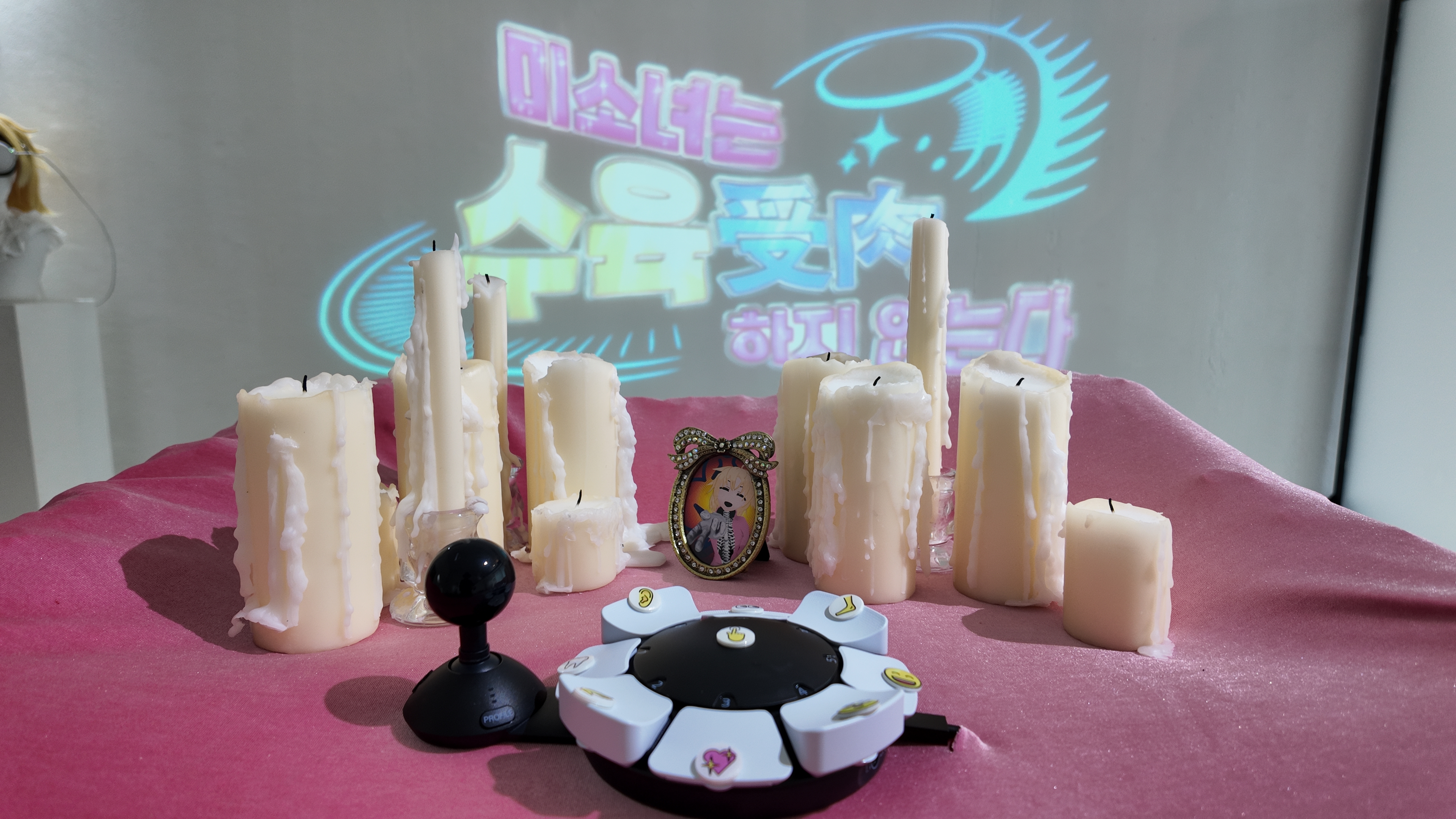
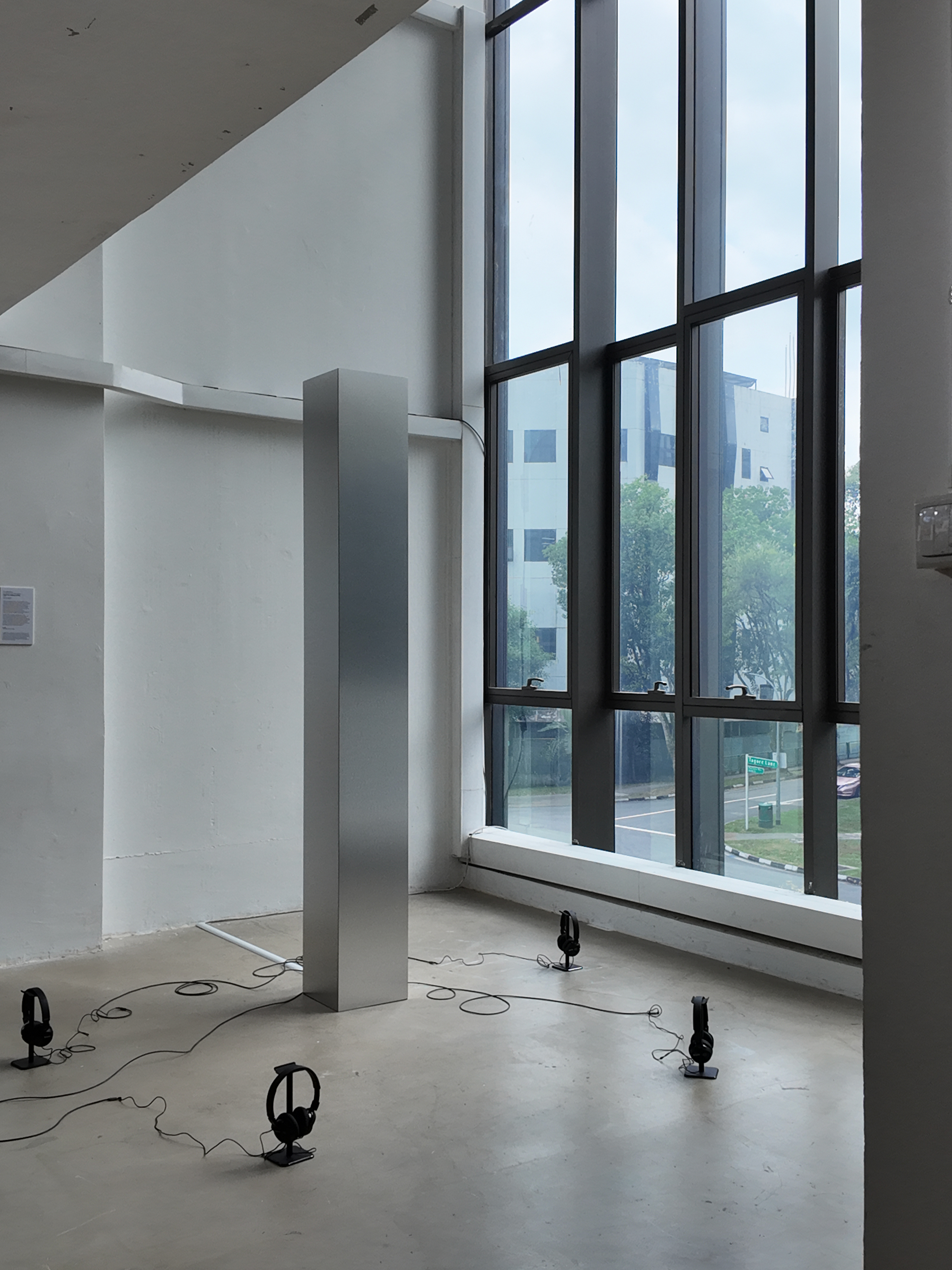
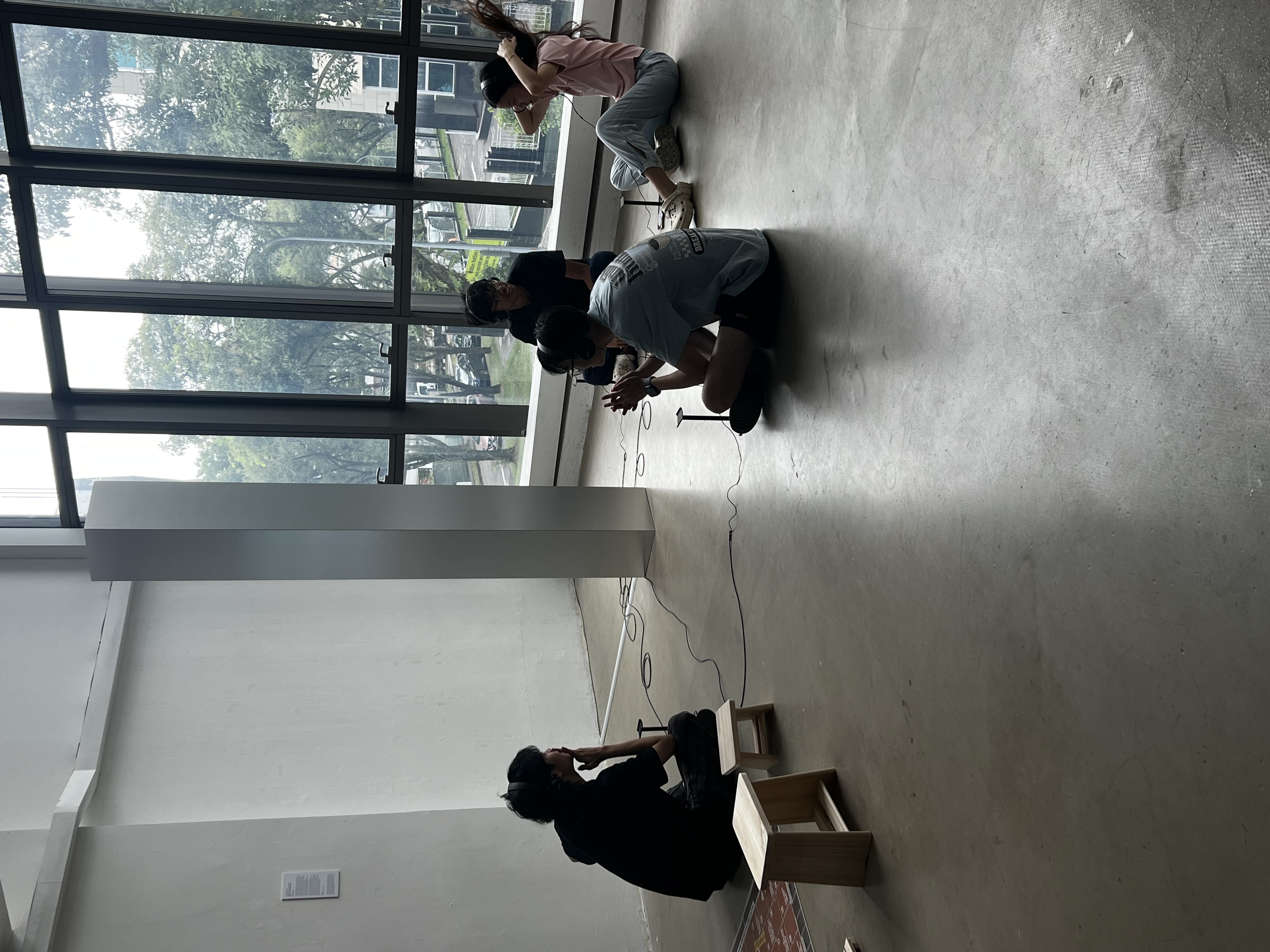
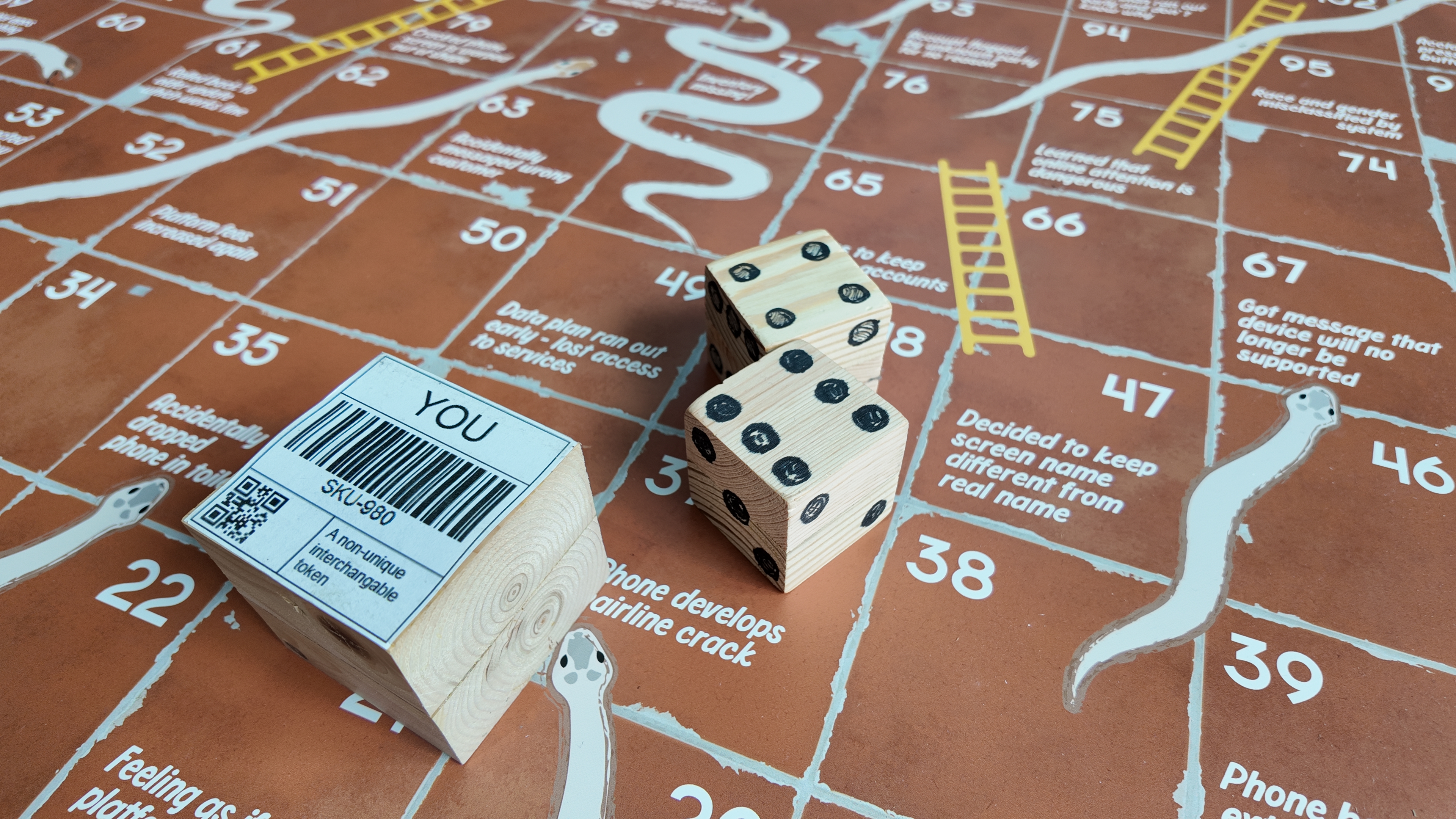
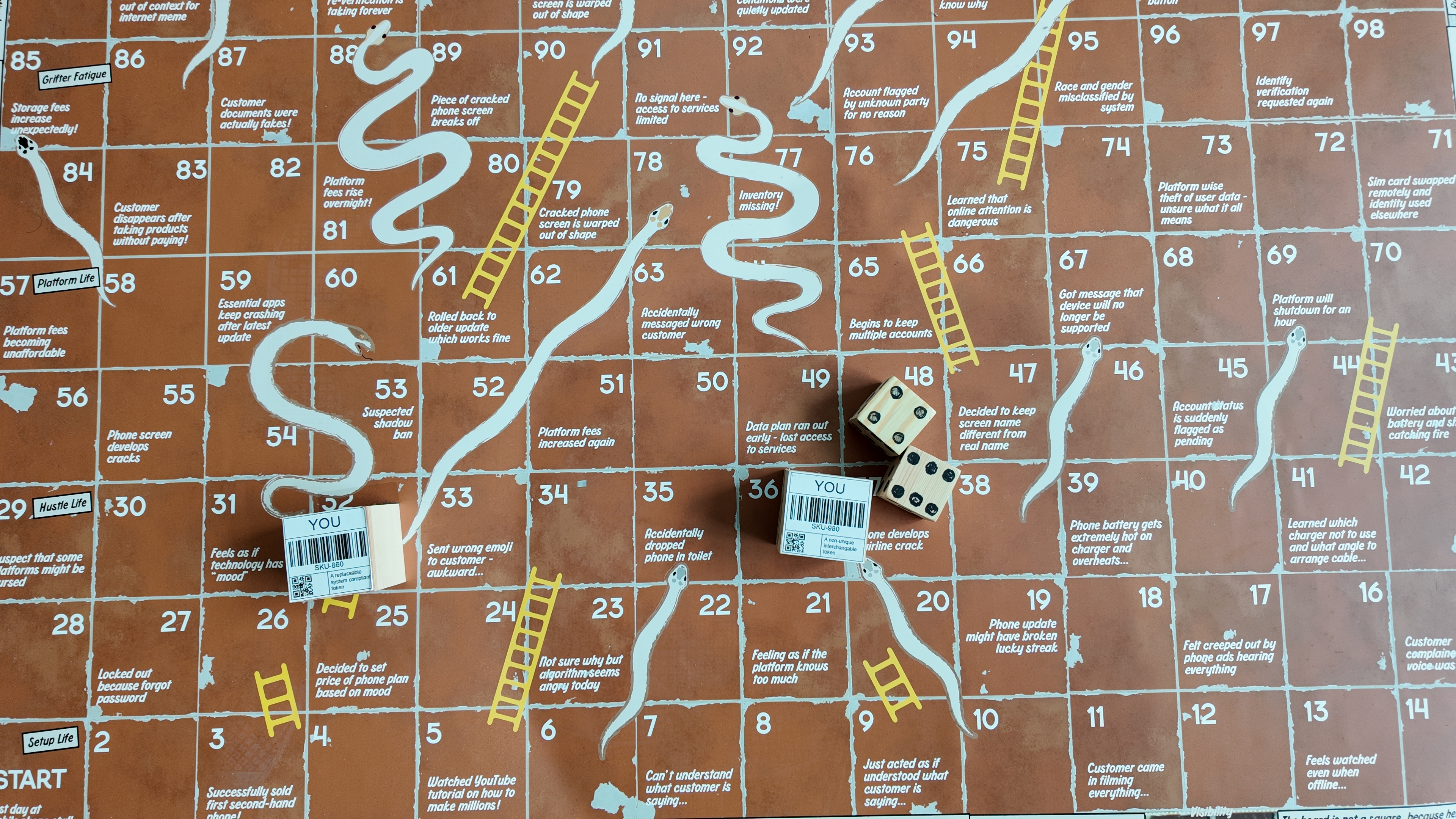
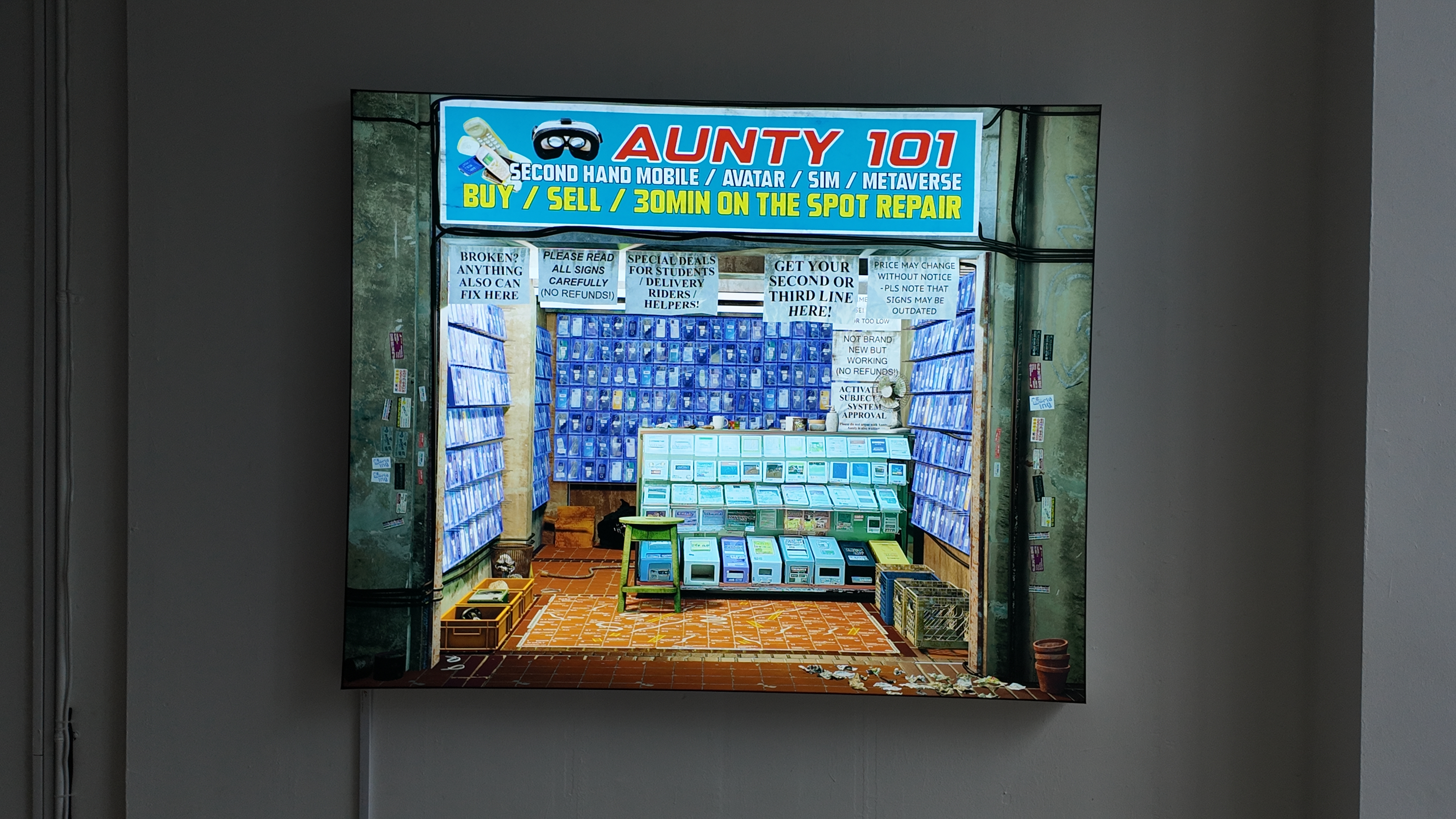
Across sound, sculpture, games, video, and virtual reality, the works in this group exhibition pry open technological shells, revealing AI voices that collapse under pressure, avatars turned inside out, machines that demand care, infrastructures haunted by superstition, and virtual cities populated by those left behind.
Curated by Debbie Ding, Reworlding attends to the unseen labour, rituals, failures, and forms of care that sustain these virtual worlds. Together, the works ask what it means to live with technologies after their sales pitches and promises have frayed, and how these alternative worlds are energised through repair, parody, superstition, and drift.
Reworlding: Curatorial Direction
Painters practice painting. Sculptors practice sculpting. Dancers practice dancing. But what do media artists practice? Updating their software? Having to continuously learn new skills because the skills they learnt five years ago have become mysteriously useless? Migrating from one obsolete platform to another soon-to-be-obsoleted one?The question of what it means to practice “media art” was the question I found myself asking when I returned to school in my late 30s to do a PhD, after more than a decade of working as an artist. Despite years of practice, I had never formally studied a “canon” of media art history. I had simply fallen into the medium of making, learning by doing, project by project, tool by tool, in a field where the lineages of practice are fragmented or poorly preserved.
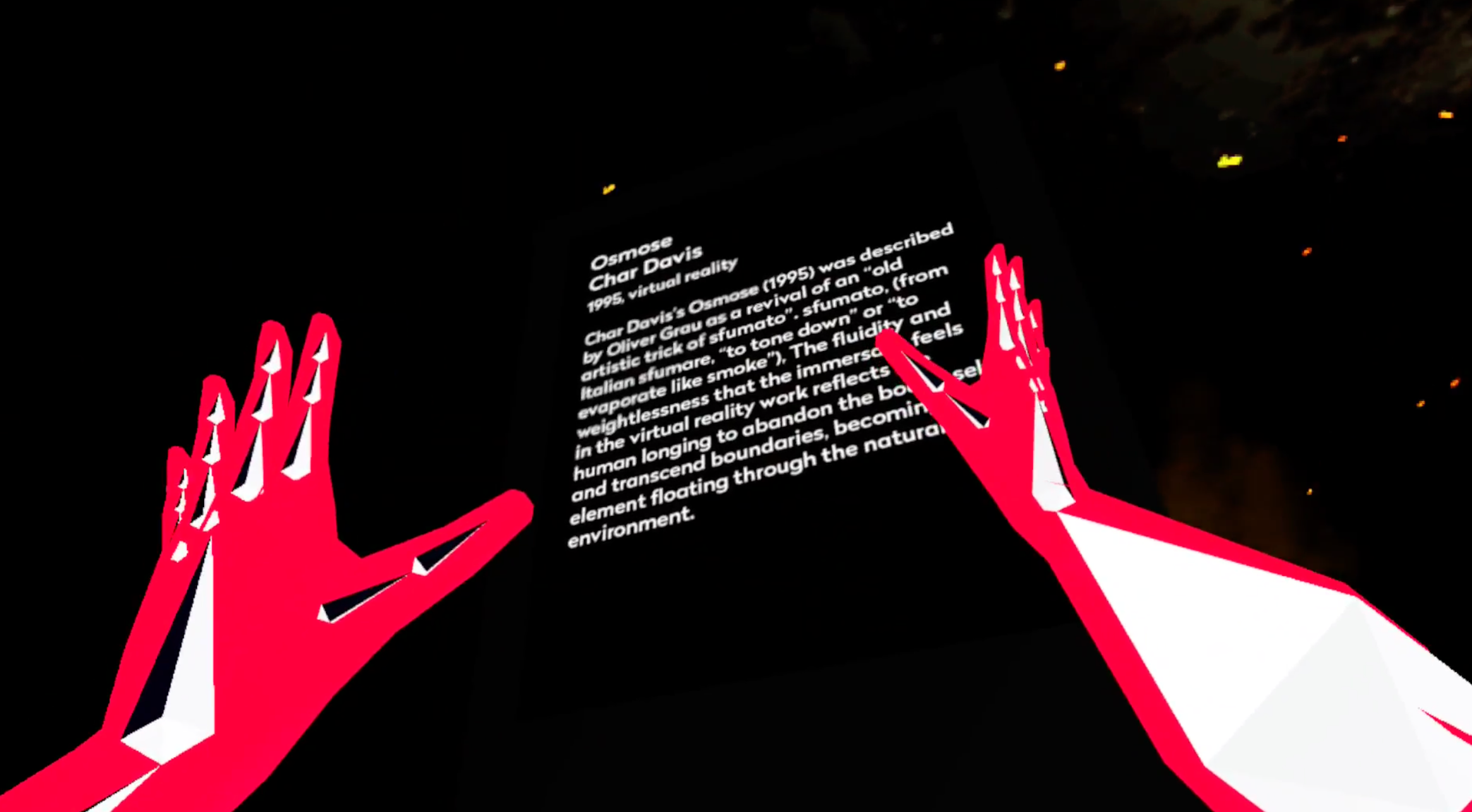
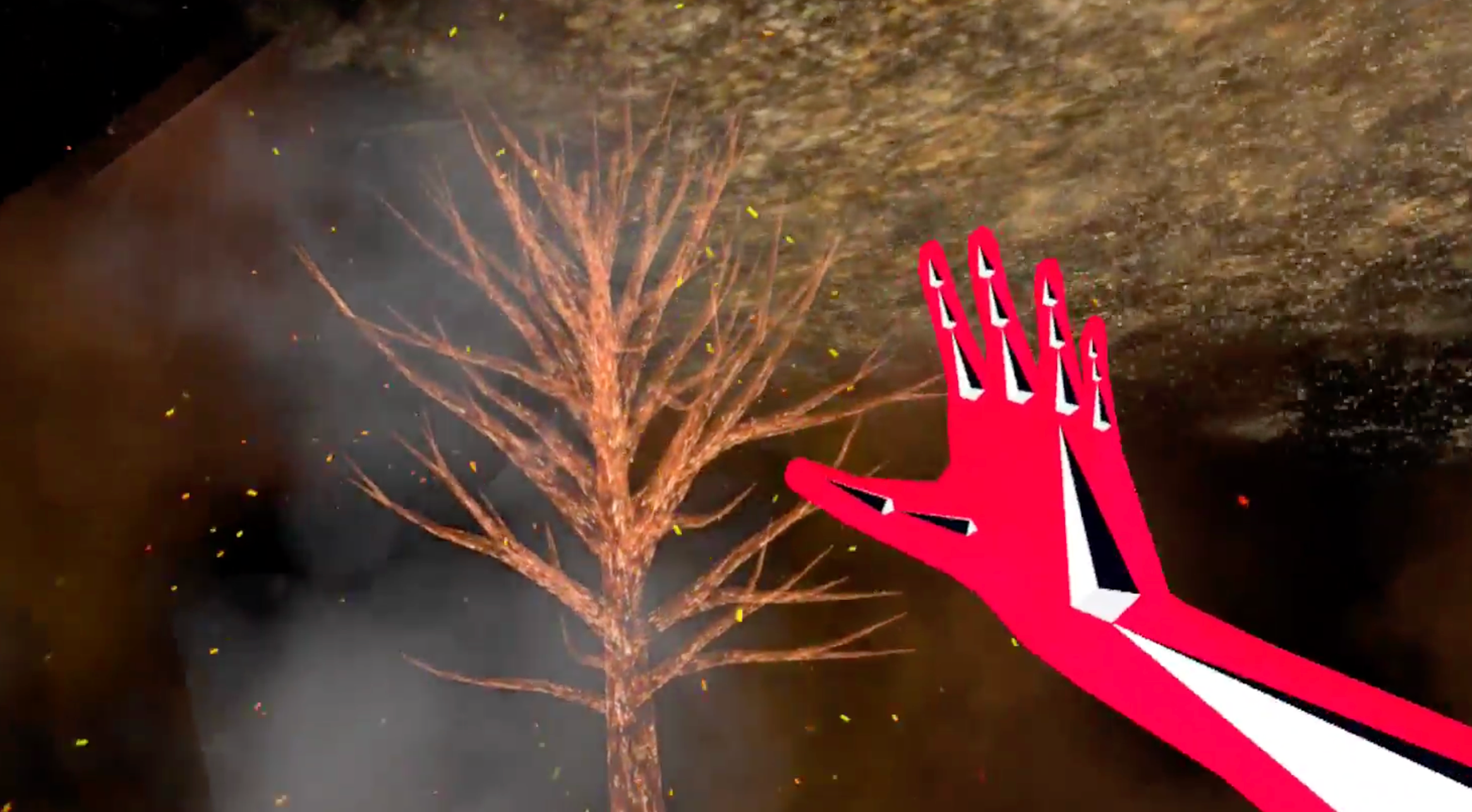
Encountering early virtual and media works for the first time as “art history”, I expected to see obsolescence, but instead, I was surprised to find that many early VR works – such as Char Davies’ Osmose (1995) – felt neither dated nor nostalgic. They captured the universal persistence of the human spirit; many of these early artworks of virtuality by female artists paid careful attention to embodiment, presence, and balance.
I wanted to bring people to see these works with me, but many of them were difficult to publicly access. So, I began (unofficially) cloning them. With no budget, no time, no access; working only from surviving online documentation – old websites, screenshots, youtube videos, incomplete archives – I rebuilt a series of artworks from the 1990s to early 2000s in the Unity game engine, entirely from scratch, from my own limited perspective. The reconstructions were very rough, closer to a study than an artwork. The cloned worlds were hidden online as a private world on the social VR gaming platform VRChat, where I could privately take multiple players to visit the worlds together at the same time.
The cloned worlds were never meant for public exhibition, they were a way of learning through making and taking others with me into these histories. I invited fellow artists to enter these reconstructed worlds, and to respond to the original works - not to replicate the past, but to think alongside these histories.
2026
Curatorial Project / Technical Direction for Exhibition / Exhibition Production
Curation
Debbie Ding
Creation
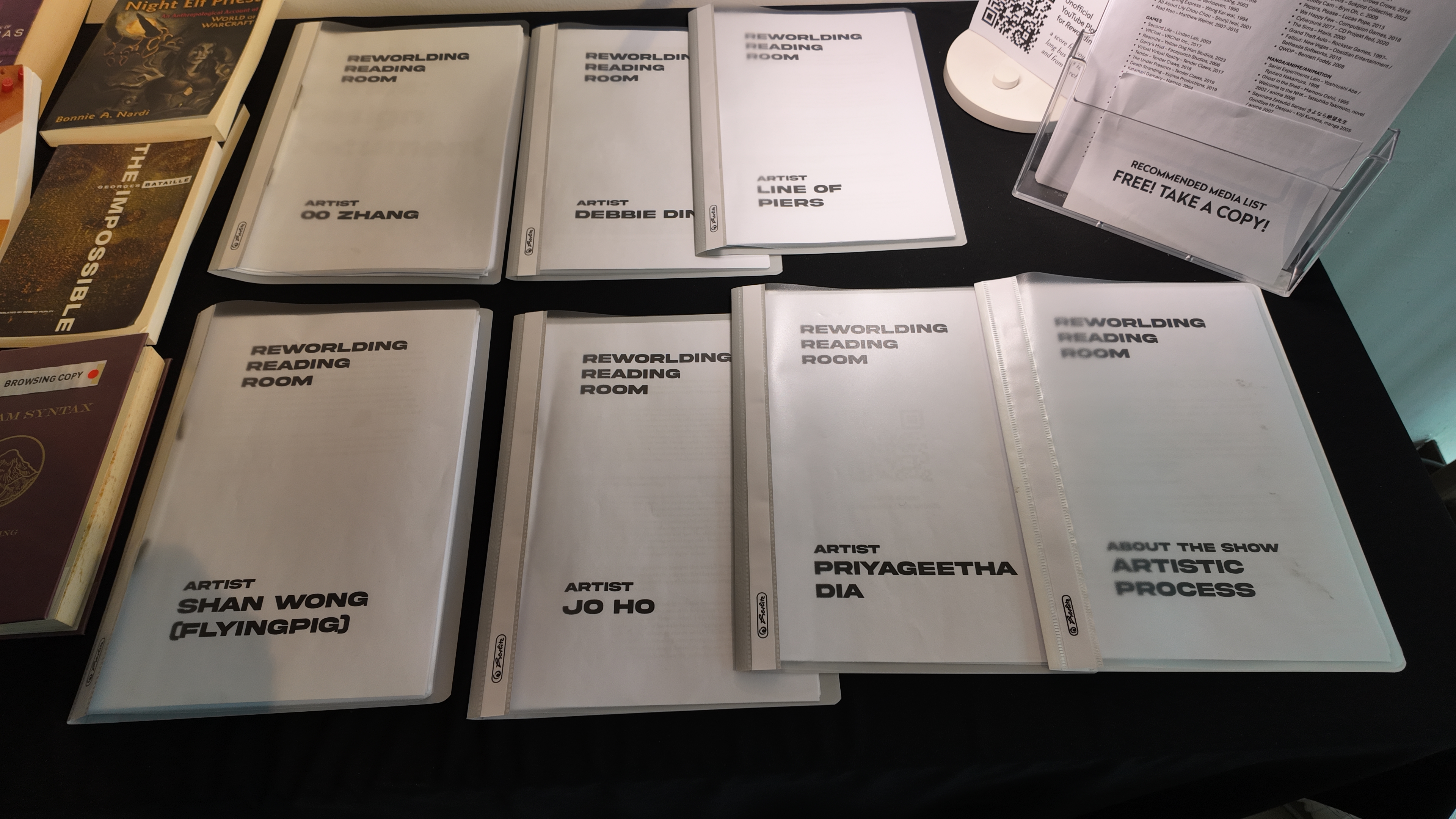
00 Zhang (CN/UK)
Shan Wong (Flyingpig) (HK)
Line of Piers (KR)
Jo Ho (SG)
Priyageetha Dia (SG/NL)
Debbie Ding (SG)
Project Management
Hoo Kuan Cien
Communications Design
Belinda Chai
Debbie Ding
Technical Consultancy
Ian Tan
Exhibition Installation
Zamier A Bakar
Cheng Yiu Lam
Ian Lee
Ian Tan
Visitor Services
Kaylee Chong
Miko Lee
Lin Ying Liam
Jared Liw
S Sarishna Nair
Ng E-Kea
Esther Sng
Lucas Tan
Special Thanks
George South
Lucas Tan
Moses Tan
Part Of
Singapore Art Week 2026
Supported By
National Arts Council, Singapore
s t a r c h

.png)
.png)
.png)
.png)